
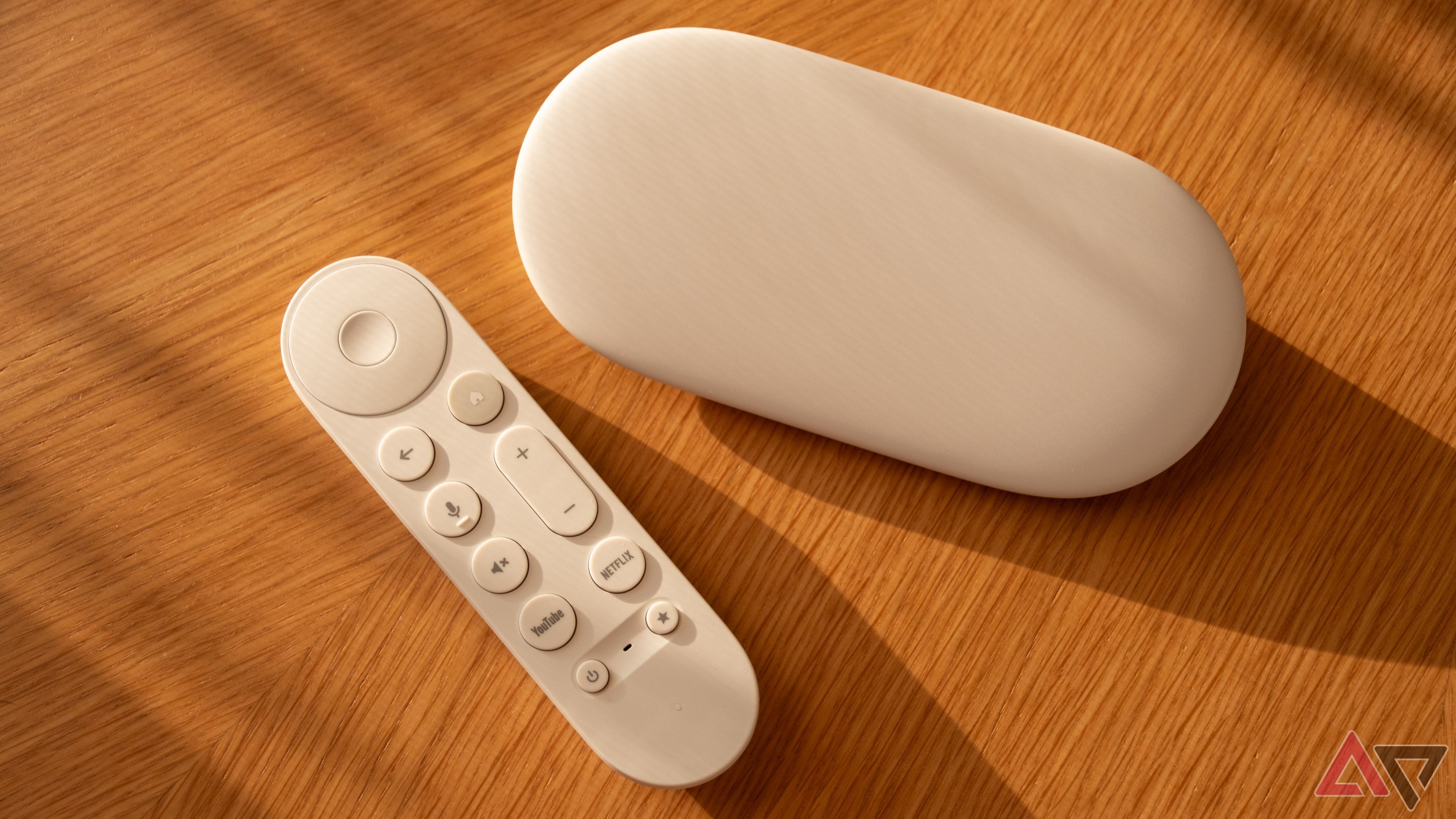
Google TV Streamer Just Became a Much Worse Deal: What Happened?
If you have been eyeing Google’s latest entertainment hub, we have some bad news. The tech giant has quietly pulled off a move that nobody wanted to see, turning one of the most exciting streaming hardware releases of the year into a significantly tougher sell. The Google TV Streamer has just become a dramatically worse deal for consumers, and the ripple effects of this price hike are sending shockwaves through the smart home ecosystem.
When Google first introduced the device as the ultimate successor to the aging Chromecast with Google TV, it was met with general enthusiasm. It promised a snappier processor, double the RAM, a redesigned remote, and deep integration with your smart home via Matter and Thread. However, a sudden and unexpected price adjustment has completely altered the value proposition. Let’s dive into what changed, why it happened, and whether the device is still worth your hard-earned cash.
The Price Hike: A Quiet Fifty-Dollar Surge
Without any major press announcements or flashy keynotes, the price tag on the Google TV Streamer has surged by a cool $50. For a device that initially targeted the sub-$100 sweet spot to fiercely compete with the Apple TV 4K and high-end Roku devices, this upward shift pushes it firmly into a much more expensive tier.
When a piece of consumer electronics jumps up in price by such a noticeable margin overnight, it forces buyers to reevaluate. At its original price point, the Streamer felt like an easy recommendation for anyone looking to upgrade their living room setup. Now, at its elevated cost, it sits dangerously close to premium gaming consoles and fully-fledged mini-PCs, making the buying decision infinitely more complicated.
The Culprit: Soaring Component Costs and the Memory Crisis
Why the sudden jump? To understand this unexpected price adjustment, we have to look at the broader macroeconomic picture of the tech industry. It’s not just Google feeling the pinch; the entire consumer electronics market is currently grappling with a severe supply chain squeeze.
Industry insiders point to soaring DRAM and NAND flash memory prices as the primary catalyst. Over the past several quarters, the cost of raw memory components has skyrocketed. This memory crunch has already wreaked havoc on the smartphone industry, forcing major Android manufacturers to sharply raise the prices of their latest handsets to protect profit margins.
Now, living room hardware is falling victim to the exact same pressures. Because the Google TV Streamer was upgraded with significantly more RAM and onboard storage compared to its Chromecast predecessor to handle smoother multitasking and local caching, it relies heavily on these expensive memory modules. As component acquisition costs climbed, Google evidently decided it could no longer absorb the financial hit, passing the burden directly on to the consumer.
How Does It Stack Up Against the Competition Now?
The real problem with this price hike isn't just that the device costs more—it’s how the new price positions the Google TV Streamer against its fiercest rivals. Value is entirely relative in the tech world.
- Apple TV 4K: Apple’s premier streaming box has long been criticized for its high price, but it offers a seamless ecosystem, zero ads on the home screen, and a powerful A-series chip. With Google closing the price gap, the Apple TV 4K suddenly looks like a much more viable alternative for Android users who value a clean, privacy-focused interface.
- Roku Ultra and Amazon Fire TV Cube: These competitors frequently offer aggressive discounts and robust feature sets. A more expensive Google TV Streamer now has to fight uphill battles against hardware that undercuts it significantly on price.
- Onn. 4K Pro (Walmart): Perhaps the biggest thorn in Google’s side is Walmart’s budget-friendly streaming box, which offers a surprisingly similar stock Google TV experience at a fraction of the cost.
- Snappier Performance: The upgraded processor finally eliminates the stutter and lag that plagued older Chromecast models.
- Smart Home Hub: Built-in Thread and Matter support transforms the streaming box into a functional smart home control center for your lights, locks, and sensors.
- Redesigned Remote: The thicker, more ergonomic remote features a customizable button and a handy "find my remote" feature that triggers an audible chime.
- Sleek Aesthetic: Unlike dangling dongles, the low-profile tabletop design looks modern and intentional sitting next to your television.
At its original price, Google’s hardware easily justified itself over the cheaper competition by offering superior smart home integration. At $50 more, the gap widens, and budget-conscious buyers will likely look elsewhere.
Is the Google TV Streamer Still Worth Buying?
Despite the bitter pill of a price increase, the core hardware of the Google TV Streamer remains genuinely impressive. If you do decide to bite the bullet and pay the higher price, you are still getting a top-tier streaming experience:
However, you must ask yourself if these upgrades are truly worth the newly inflated price tag. If you are deeply invested in the Google Home ecosystem and desperately need a reliable Thread border router, it might still find a place in your entertainment center. But if you just want a device to stream Netflix, YouTube, and Disney+, you are now paying a massive premium for features you may never actually use.
The Bottom Line
The tech world is changing rapidly, and inflation paired with component shortages is making gadget ownership increasingly expensive. While Google’s rationale involving DRAM and NAND price spikes is understandable from a business perspective, the execution hurts the average consumer.
By quietly bumping the price by $50, the Google TV Streamer has transitioned from an absolute must-buy gadget into a cautious recommendation. If you are thinking about picking one up, your best bet might be to hold off until the next major shopping holiday, where seasonal discounts might finally soften the blow of this unfortunate price hike.


No comments:
Post a Comment