
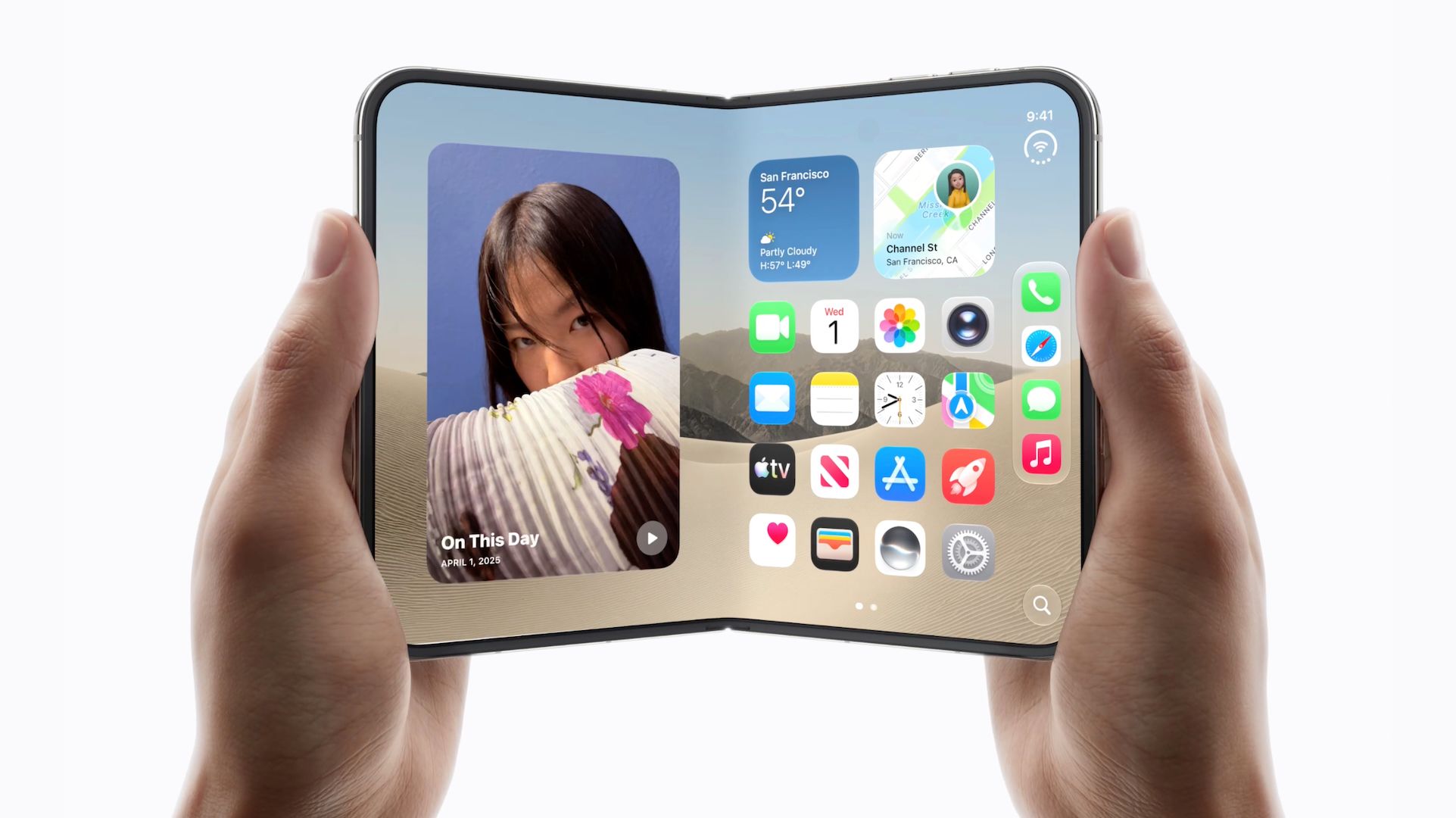
After the Galaxy Z Fold 8, I Want the iPhone Duo—Here’s Why the iPhone Air Stands in the Way
As a tech journalist who lives in the dual-wielding trenches—carrying both an Android flagship and an iPhone every single day—my perspective on mobile form factors is constantly evolving. I’ve typed on slabs, swiped on rollers, and unfolded nearly every flexible screen to hit the market. But recently, a profound shift happened. After spending considerable time with the Samsung Galaxy Z Fold 8, I discovered a foldable style I never knew I desperately wanted.
Naturally, my mind drifted to Apple. As someone deeply embedded in both ecosystems, surely my next logical upgrade path should lead straight to a mythical Apple iPhone Duo? A dual-screen, foldable Apple device that bridges the gap between pocketable phone and immersive tablet sounds like the ultimate productivity dream. Unfortunately, Apple’s roadmap seems to have other, much thinner plans. Enter the rumored iPhone Air—a device threatening to derail my foldable ambitions entirely.
Let’s dive into why the Galaxy Z Fold 8 changed my mind about foldables, why the hypothetical iPhone Duo is the device Apple fans truly deserve, and how Apple’s obsession with thinness via the iPhone Air might ruin the party.
The Foldable Epiphany: How the Galaxy Z Fold 8 Changed the Game
For a long time, I was skeptical of book-style foldables. They were too thick when closed, too heavy in the pocket, and often plagued by awkward outer screen aspect ratios that made everyday typing feel like a chore. However, the Galaxy Z Fold 8 represents a watershed moment for the category. Samsung has finally refined the hardware to a point where the compromises are nearly invisible.
Using the Z Fold 8 doesn't feel like you're carrying a chunky prototype anymore; it feels like holding a futuristic luxury item that doubles as a mobile workstation. Here is why it completely won me over:
- The Outer Display Usability: Unlike earlier generations, the cover screen on the Z Fold 8 is wide and natural, allowing for quick replies and app navigation without needing to unfold the device constantly.
- Multitasking Mastery: Being able to run three apps simultaneously on the inner canvas changes how you consume media, check emails, and manage workflows on the go.
- Hardware Refinement: Improved hinge mechanisms, better crease management, and vastly superior camera systems make it a true no-compromise daily driver.
Once you experience that kind of screen real estate in a pocket-friendly footprint, going back to a traditional slab phone feels like trying to write a novel on a postage stamp. Naturally, this led to the inevitable thought: What if Apple built one?
Enter the iPhone Duo: The Foldable Apple Needs
Apple has a history of letting competitors pioneer a category, watching consumers stumble through the growing pains, and then stepping in to deliver the polished, definitive version of that technology. We saw it with tablets, smartwatches, and wireless earbuds. Foldable phones are the glaring exception—so far.
Rumors of an Apple foldable have circulated for years, often dubbed by hopeful fans and concept artists as the iPhone Duo. Imagine a device that marries Apple’s industry-leading silicon (think M-series or top-tier A-series chips), optimized iPadOS/iOS hybrid software, and Cupertino’s unmatched build quality.
The appeal of an iPhone Duo is undeniable for power users:
- Ecosystem Synergy: Handoff, AirDrop, and Continuity would reach unprecedented levels of usefulness on a folding iOS canvas.
- Apple Pencil Support: A foldable iPhone with Apple Pencil integration could finally kill the need to carry a separate iPad Mini.
- Design Prestige: Apple knows how to make hardware feel essential. A sleek, beautifully engineered folding iPhone would instantly legitimize the foldable market for the mainstream masses.
For a dual-ecosystem user like myself, an iPhone Duo would serve as the ultimate bridge. But Apple’s current hardware trajectory is steering hard in the opposite direction.
The Plot Twist: Why the iPhone Air Threatens the Foldable Dream
Just as we start dreaming about folding Apple devices, the rumor mill pivots heavily toward a different hardware trend: the iPhone Air (or iPhone Slim). Apple is reportedly obsessed with creating a dramatically thinner, ultra-sleek slab phone designed to sit at the apex of its lineup, sacrificing heavy-duty specs and battery capacity for breathtaking lightness and aesthetic appeal.
While an ultra-thin iPhone sounds lovely on paper, it creates a massive strategic roadblock for anyone hoping to see an iPhone Duo anytime soon. Here is why the iPhone Air is bad news for foldable enthusiasts:
- Resource Cannibalization: Apple’s engineering teams have finite bandwidth. Pouring billions of dollars and countless R&D hours into making a slab phone razor-thin means less focus—and fewer resources—allocated toward solving the complex engineering hurdles of a foldable display and hinge.
- Conflicting Product Philosophies: The iPhone Air prioritizes minimalism and single-panel portability. Foldables prioritize maximum screen space and multi-tasking versatility. Pushing the "Air" narrative hard lets Apple signal that "thin is in," which actively pushes back the timeline for a bulkier, more complex folding device.
- Market Positioning Confusion: If Apple launches an expensive, ultra-thin iPhone Air alongside its Pro lineup, where does a $2,000+ iPhone Duo fit? It risks fracturing an already complex product stack even further.
By chasing the ghost of the ultimate slim slab, Apple risks missing the train on the next major paradigm shift in mobile computing. While Samsung, Google, and OnePlus continue iterating on foldables year after year, Apple’s hesitation—fueled by distractions like the iPhone Air—threatens to leave iOS users stuck in the past.
What Should Apple Do Next?
As I sit here with my Android SIM card nestled inside the Galaxy Z Fold 8 and my primary Apple ID active on my secondary device, I am caught in a frustrating tug-of-war. I want the power and fluidity of iOS combined with the breathtaking, expansive utility of a modern book-style foldable.
The Galaxy Z Fold 8 proves that the hardware is ready. Consumers are ready. The real question is whether Apple is brave enough to pivot away from its obsession with paper-thin slab phones and finally give us the iPhone Duo we deserve.
Until then, the iPhone Air may capture the headlines, but the foldable future is where true innovation lives. Apple, it’s time to stop thinning out our slabs and start folding out our futures.


No comments:
Post a Comment