
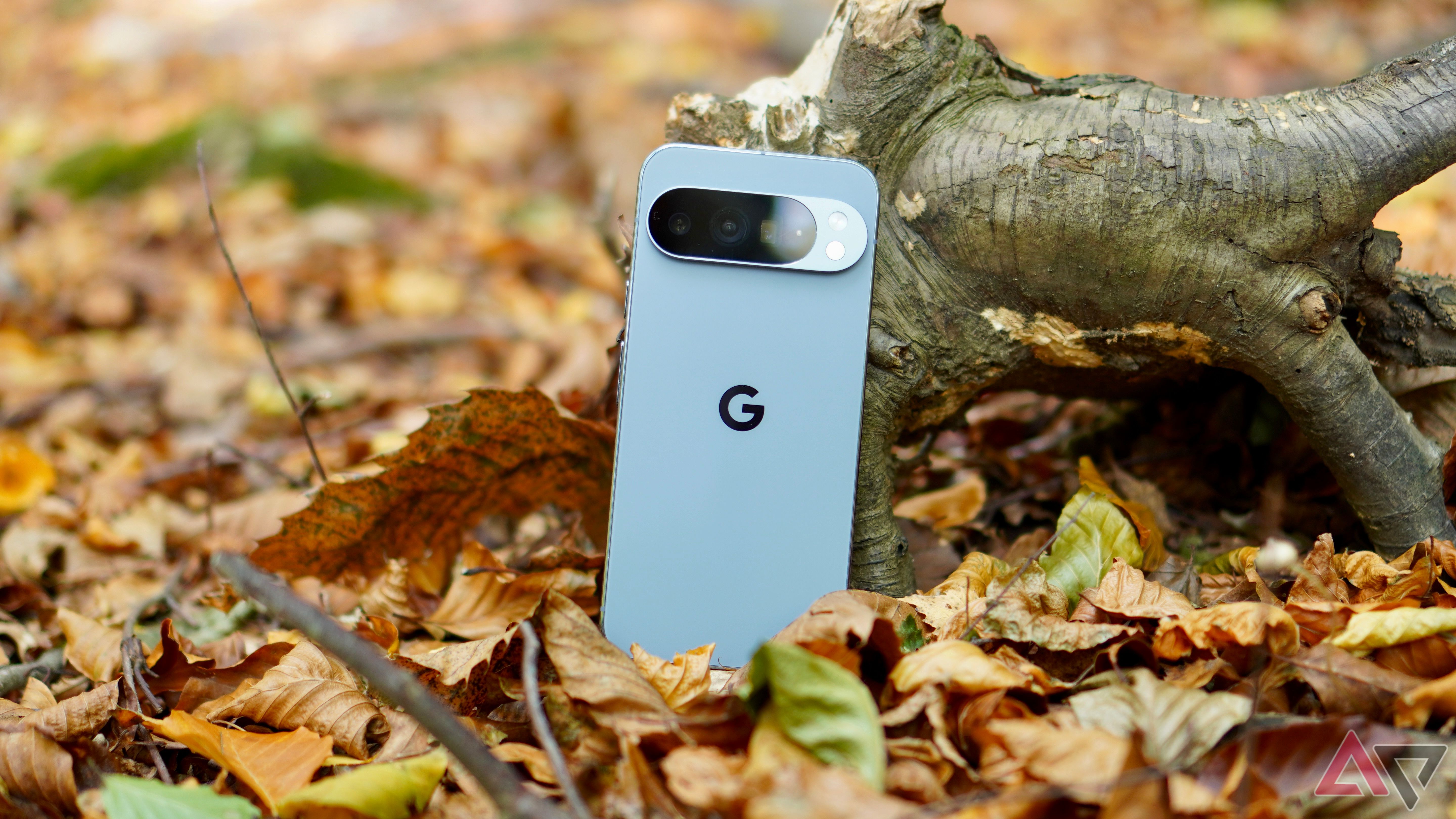
I Love My Google Pixel, But These Stubborn Flaws Are Ruining the Experience
There is a distinct kind of loyalty reserved for Google Pixel users. We aren’t just smartphone buyers; we are early adopters of a vision. We rave about the computational photography that turns blurry night shots into masterpieces, we adore the genuinely helpful (and genuinely smart) AI features, and we champion the clean, bloatware-free stock Android experience that makes using the phone feel like a breath of fresh air.
I am, without a doubt, a true Google Pixel enthusiast. I have upgraded through almost every generation, defended the hardware choices to skeptical iPhone and Samsung users, and patiently waited for Google to cement its place at the top of the smartphone hierarchy.
Yet, lately, a creeping sense of frustration has overshadowed the honeymoon phase. Despite all the software magic and stunning hardware designs, there are a few stubborn, persistent flaws that Google simply refuses to fix. And honestly? They are starting to ruin the experience.
If you’re a fellow Pixel lover, you probably know the exact pain points I’m about to mention. Let’s dive deep into the cracks of the Pixel ecosystem and explore why these lingering issues need an immediate fix.
1. The Thermal Management and Modem Struggles
Let’s address the elephant in the room first: Tensor chip performance and modem efficiency. When Google transitioned from Qualcomm Snapdragon processors to its in-house Tensor chips, the promise was smarter, more contextual on-device AI. And deliver on that, it did.
However, the trade-off has been painful. Pixel devices have developed an unfortunate reputation for running noticeably warm during everyday tasks—and downright hot when doing anything remotely demanding, like recording 4K video, navigating with Google Maps in direct sunlight, or playing a graphics-heavy mobile game.
When the phone overheats, two terrible things happen:
- Performance throttles: The phone slows down to cool itself off, resulting in stuttering animations and sluggish app switching.
- Battery drain accelerates: Warm batteries lose charge rapidly, leaving you hunting for a charger by late afternoon.
Coupled with sub-par cellular modems in past generations—leading to dropped calls and weak signals in areas where other phones thrive—this hardware bottleneck holds the Pixel back from true flagship perfection.
2. Inconsistent Biometrics: Still Chasing the Ultrasonic Dream
Biometric security is one of those features we use dozens, if not hundreds, of times a day. It needs to be invisible, instantaneous, and 10urches-out-of-ten reliable. Unfortunately, Pixel’s biometric journey has felt like an ongoing beta test.
While Google eventually brought back Face Unlock alongside the under-display optical fingerprint scanner, the implementation still lags behind the competition:
- The Optical Scanner Limitation: Unlike the ultrasonic fingerprint sensors used by competitors like Samsung, Pixel’s optical sensor relies on a bright flash of light to "photograph" your fingerprint. In the middle of the night, unlocking your phone feels like getting a miniature flashbang to the retina.
- Edge-Case Failures: Dry fingers, wet thumbs, or slight angles often result in the dreaded "unrecognized fingerprint" prompt, forcing you to resort to your PIN.
- Face Unlock Security Gaps: While fast, the camera-based face recognition often lacks the hardware-level security required for sensitive banking apps, meaning you’re still forced to touch the screen anyway.
For a phone that costs nearly a thousand dollars, unlocking it should never feel like a gamble.
3. Charging Speeds That Belong in the Past
We live in an era where competing Android manufacturers—particularly Chinese OEMs—are pushing blistering 120W, 150W, and even 240W fast-charging technologies that take a phone from 0% to 100% in the time it takes to brew a cup of coffee. Even Apple and Samsung have steadily improved their wired and wireless power delivery.
And then there is Google.
Pixel devices pride themselves on "intelligent charging" and preserving battery health over long periods, but the actual charging speeds feel downright glacial. Waiting nearly two hours for a full charge on a modern flagship is frustrating, especially when you are in a rush and need a quick top-up before heading out the door. Google's conservative approach to wattage protection feels less like a feature and more like a limitation.
4. Customer Support and Hardware Reliability Woes
This is perhaps the most heartbreaking flaw on the list. The Pixel community is fiercely loyal, but that loyalty is frequently tested by Google’s notoriously hit-or-miss customer support infrastructure.
When something goes wrong—whether it’s a mysterious screen failure, a bubbling camera glass, or a hardware defect—navigating the warranty and repair pipeline can feel like a bureaucratic nightmare:
- Long wait times for device replacements.
- Inconsistent support agent answers.
- Limited physical repair options compared to Apple Stores or Samsung Experience Centers.
For a company as massive as Google, the hardware ecosystem and its accompanying safety nets should feel rock-solid. Instead, buying a Pixel sometimes feels like playing hardware roulette.
Why We Keep Coming Back
So, if the flaws are this frustrating, why don’t we all just switch to an iPhone or a Galaxy?
Because despite these stubborn issues, the Pixel still does things no other phone can touch. The software is a joy to navigate, the camera system captures life with a natural warmth and accuracy that others try (and often fail) to replicate, and the feature drops genuinely make the phone feel like it gets better over time rather than simply degrading.
Google has captured lightning in a bottle with the Pixel's software soul. But if they want to retain their hardcore enthusiasts—and win over the mainstream masses—they need to address these foundational hardware and support flaws once and for all.
What about you? Are you a fellow Pixel lover ready to overlook these quirks, or are these stubborn flaws finally pushing you toward the exit? Let’s talk about it in the comments below!


No comments:
Post a Comment