
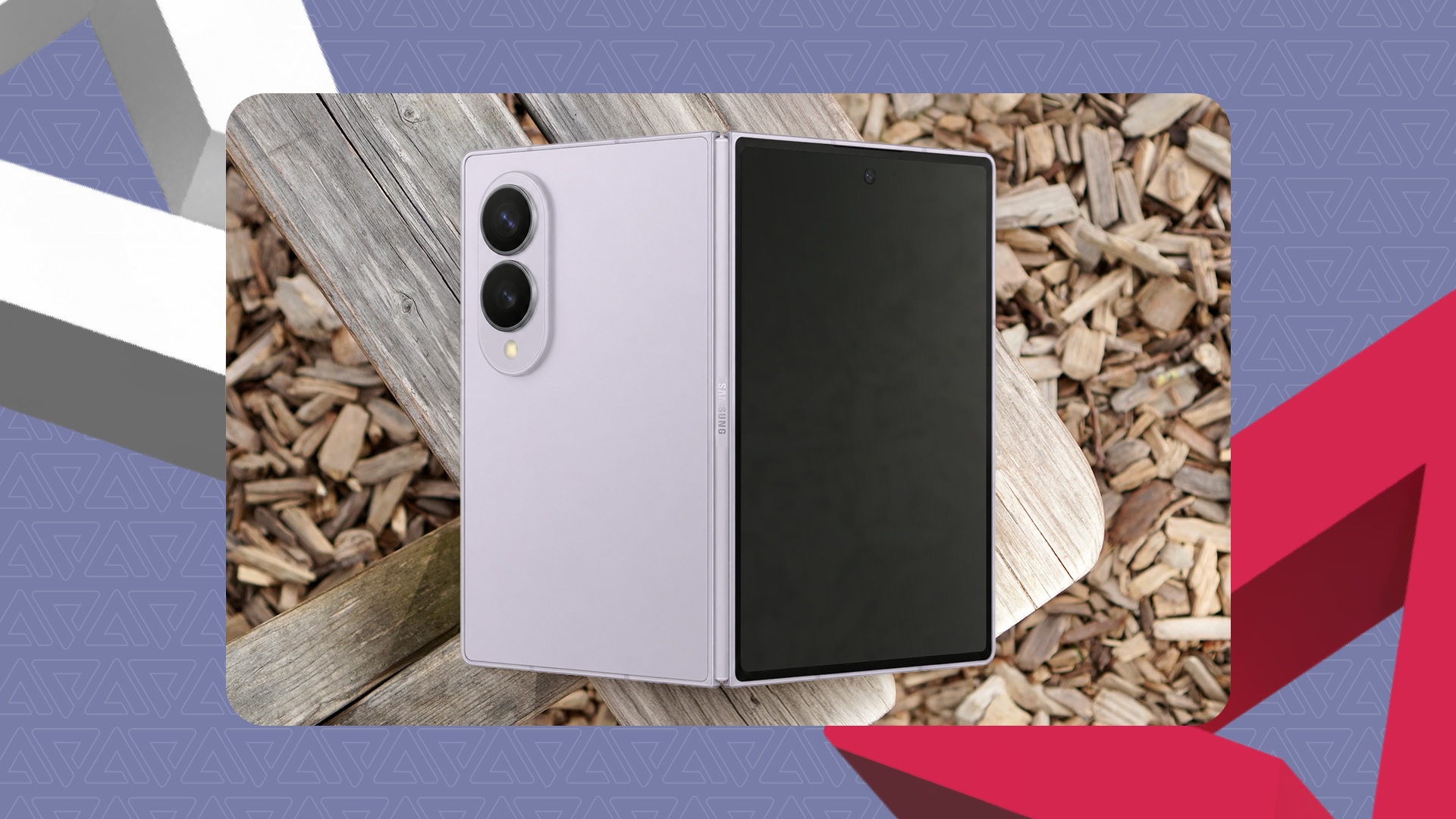
The Z Fold 8’s Unexpected Success Reveals What Android Phones Have Been Missing
It is not a controversial opinion to say that smartphones have become painfully predictable. Year after year, we are greeted with the same glossy slabs of glass and aluminum. Manufacturers roll out the usual routine: a slightly faster processor, a marginally brighter screen, and a camera bump that grows more obnoxious with every generation. Consumers have noticed, upgrade cycles are stretching longer than ever, and the industry has been desperately searching for a genuine spark.
Enter the Galaxy Z Fold 8. Against all odds—and despite early skepticism regarding high price tags and durability concerns—this device has notched up staggering sales and captured the tech world's imagination. But its success isn't just a win for Samsung's bottom line; it is a profound wake-up call for the entire mobile industry. The Z Fold 8 has inadvertently exposed the exact ingredient that traditional Android flagships have been missing for years.
Let's dive deep into why this foldable phenom is succeeding, what traditional Android phones can learn from it, and how this marks a turning point for the future of pocket technology.
The Death of the "Candy Bar" Monotony
For the better part of the last decade, the standard smartphone form factor has hit a hard evolutionary wall. Aside from curved edges going flat and back glass shifting from glossy to matte, the classic slab phone has nowhere left to go. We have reached peak performance, meaning a flagship phone from three years ago still handles daily tasks with absolute ease.
This plateau left manufacturers relying on incremental upgrades. Megapixels increased, refresh rates hit 120Hz, and AI features were bolted onto existing operating systems. Yet, the core experience remained stagnant. Consumers were simply bored.
The Z Fold 8 shattered that monotony. By offering a device that functions as a compact, pocketable phone on the outside while unfolding into a legitimate tablet on the inside, Samsung didn't just offer a new spec sheet—they offered a fundamentally new way to interact with technology. It brought back the childlike wonder of gadget ownership that the industry lost somewhere around 2018.
What Android Phones Have Been Missing: Intentional Versatility
So, what is the secret sauce? Why is the Z Fold 8 striking a chord now, when earlier foldables were largely written off as expensive toys for early adopters? The answer comes down to one word: versatility.
Traditional Android flagships are fantastic at doing one thing well: fitting in your pocket. But the Z Fold 8 proves that users no longer want a device that forces them to compromise. They want a Swiss Army knife. Consider what the Z Fold 8 gets right:
- No-Compromise Cover Screen: Previous generations suffered from awkwardly narrow outer displays that felt cramped to type on. The Z Fold 8 finally delivers a cover screen with a standard aspect ratio, making it completely usable for one-handed tasks without ever needing to unfold.
- True Multitasking Power: On a standard Android slab, split-screen apps often feel cramped and chaotic. The Z Fold 8's expansive inner display turns multitasking from a gimmick into a seamless, desktop-like workflow.
- Optimized Software Ecosystem: Google and Samsung have finally aligned their software efforts. Android is no longer just stretched out to fit a big screen; it dynamically adapts, offering tablet-optimized layouts for productivity, media consumption, and gaming.
Traditional Android phones have focused so intensely on thinness and raw camera specs that they forgot about functional utility. The Z Fold 8 reminds us that form should follow function, and users are willing to pay a premium when a device genuinely expands their capabilities.
Overcoming the Hurdle: Durability and Maturity
You cannot talk about the success of the Z Fold 8 without addressing the elephant in the room: hardware maturity. For years, critics pointed to visible creases, fragile hinges, and dust vulnerability as dealbreakers. And rightfully so.
However, the Z Fold 8 represents the tipping point where foldable engineering matured into mainstream readiness. Samsung and its competitors have quietly revolutionized hinge design, drop resistance, and screen durability. The crease is now barely perceptible—both to the eye and under the fingertip—and water resistance has become standard.
By solving these foundational engineering problems, consumer trust has finally caught up with the hardware vision. Buyers are no longer viewing foldables as fragile science projects; they are seeing them as reliable, daily-driver workhorses.
The Ripple Effect on the Entire Android Ecosystem
The unexpected commercial triumph of the Z Fold 8 is going to force a massive pivot across the entire Android landscape. For too long, companies like Google, OnePlus, Motorola, and Xiaomi treated foldables as high-priced halo products meant to grab headlines rather than move units. That strategy has officially expired.
We are already seeing the ripple effects:
- Aggressive Pricing Strategies: As manufacturing processes scale and consumer demand stabilizes, we can expect foldable production costs to drop, bringing these devices closer to traditional flagship pricing.
- Form Factor Experimentation: The success of book-style foldables paves the way for further innovations, including rollables, trifold devices, and even more advanced clamshell designs.
- Software Standardization: With more foldables in the wild, app developers can no longer afford to ignore large, flexible screens. Android app optimization for foldables is moving from a luxury to a baseline requirement.
Conclusion: The Future is Flexible
The Z Fold 8's success is a watershed moment. It proves that consumers aren't necessarily tired of spending money on tech—they are tired of spending money on boring tech.
By delivering a device that breaks free from the traditional slab mold while finally nailing the hardware reliability and software optimization, the Z Fold 8 has exposed a glaring void in the modern smartphone market. Android phones have spent years perfecting the ordinary; the Z Fold 8 succeeded because it dared to embrace the extraordinary.
As we look to the future, one thing is abundantly clear: the era of the uncompromising, one-size-fits-all glass slab is drawing to a close. The industry has been put on notice, and the future of mobile technology is undeniably flexible.


No comments:
Post a Comment