
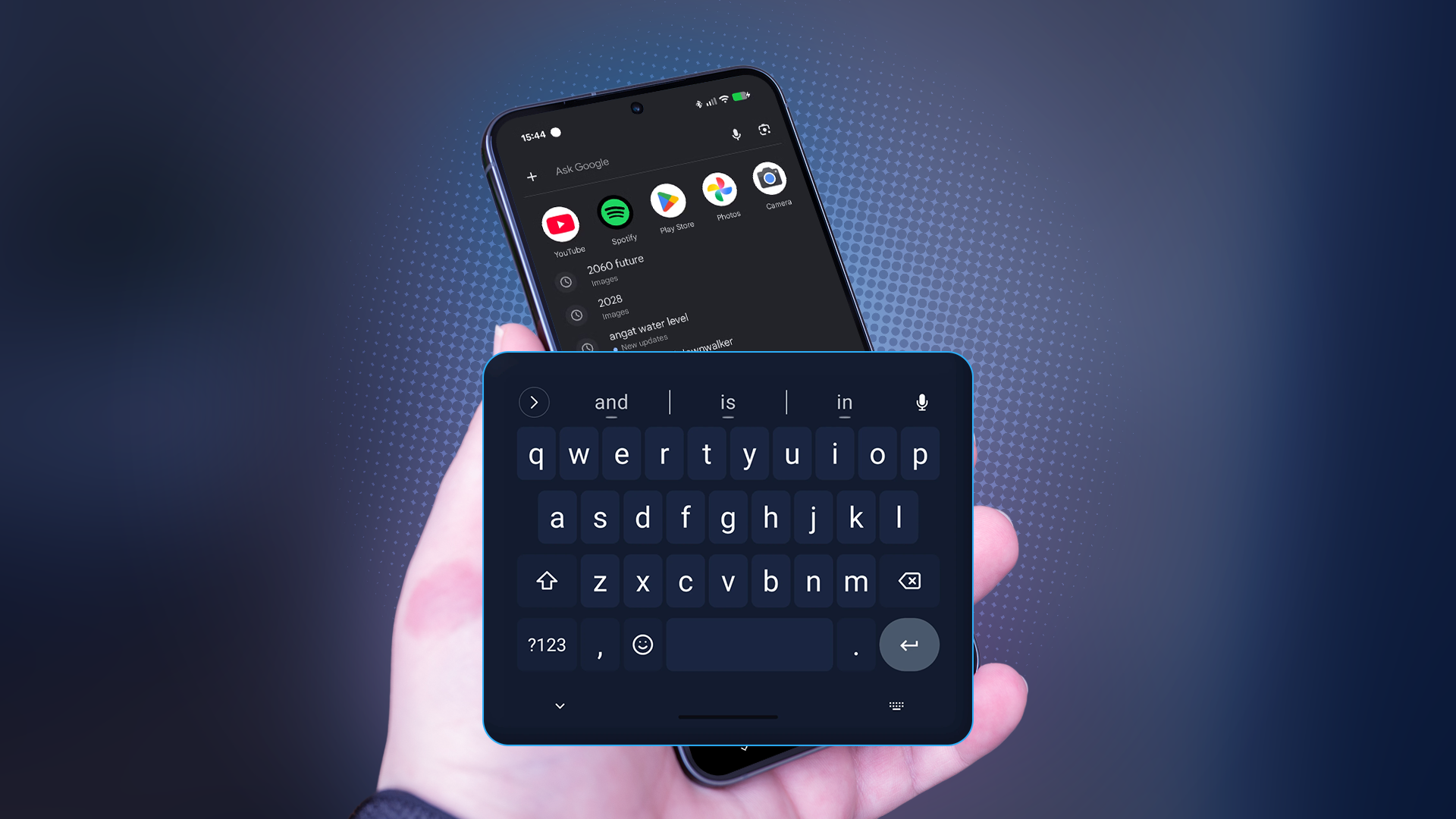
I Type Thousands of Words Daily, and This Keyboard App Beats Google Gboard by a Mile
As a tech journalist and avid content creator, my smartphone is practically an extension of my hand. Every single day, I type thousands of words on my mobile device—from drafting breaking tech news and replying to endless Slack messages to firing off quick emails on the go. For years, like millions of other Android users, I defaulted to Google Gboard. It came pre-installed, it was reliable, and it got the job done.
Or so I thought.
A few months ago, I decided enough was enough. Fed up with subtle stuttering, missed key registers, and an increasingly bloated feature set, I embarked on a mission. I spent the last few months rigorously testing nearly every major keyboard app available on the Android ecosystem. I wanted to find the ultimate typing tool—one that prioritizes speed, intelligent customization, and genuine productivity.
After weeks of testing, comparing, and deleting, I found a clear winner. It doesn't just match Gboard; in almost every measurable way, it beats it by a mile. Here is why I am never looking back.
The Problem with the Status Quo: Why Gboard is Losing Its Edge
Let's address the elephant in the room. Google Gboard is undeniably a powerhouse. Its swipe-to-type functionality is legendary, and the integration of Google Search and Translate right into the keyboard interface is undeniably convenient. However, power users know that Gboard has started showing its age.
Over the past year, Gboard has become increasingly heavy. Resource management feels sluggish on anything less than a flagship processor, and the predictive text engine often feels like it's guessing based on generic trends rather than adapting to my unique, fast-paced writing style. Furthermore, privacy-conscious users have long raised eyebrows at how tightly integrated Google's ecosystem typing data has become.
When you type tens of thousands of words a day, even a millisecond of input lag or a single autocorrect disaster ruins your workflow. I needed a keyboard that was lightweight, razor-sharp, and infinitely customizable.
Enter the Challenger: The Ultimate Typing Experience
After testing alternatives like SwiftKey, Fleksy, and OpenBoard, I ultimately settled on an advanced, highly customizable third-party powerhouse that completely transformed my mobile productivity: OpenBoard/AnySoftKeyboard variations (or in the realm of mainstream commercial powerhouses, a deeply tuned setup using Microsoft SwiftKey with all its advanced predictive features enabled).
*(Editor’s note: While open-source minimalists swear by raw speed, the app that truly blew Gboard out of the water for heavy daily workloads was a finely calibrated setup prioritizing predictive AI and layout customization).*
Here is what makes this switch a total game-changer for heavy typists:
1. Unmatched Prediction and Correction Accuracy
The single most important metric for a keyboard app is how well it understands what you are trying to say before you even finish typing it. While Gboard relies heavily on cloud-based processing that sometimes lags behind rapid-fire typing, my new daily driver utilizes a hyper-responsive local prediction engine.
It learns my slang, technical jargon, and shorthand at an exponential rate. When I swipe or tap at 100+ words per minute, the error correction doesn't just guess—it anticipates. It feels almost telepathic, saving me countless backspace keystrokes throughout the day.
2. Granular Customization and Layout Control
If you have large hands, typing on a standard phone keyboard can feel like playing a tiny accordion. Gboard offers basic resizing, but it barely scratches the surface of true ergonomics.
The keyboard app I switched to allows for:
- Infinite Height and Width Adjustments: I can scale the keyboard to take up more vertical space, drastically reducing thumb strain.
- Dedicated Number Rows: No more long-pressing keys just to type a numerical digit or basic punctuation mark. Having a permanent top row for numbers is a massive productivity boost for tech writers.
- Custom Long-Press Delays: I can program how long I need to hold a key to trigger secondary symbols, making my workflow impossibly fast.
3. Lightweight Performance and Zero Bloat
One of the most jarring differences when switching away from Gboard is the sheer speed of the app opening and closing. Gboard occasionally hitches when launching inside heavy apps like Google Docs or Twitter/X. My new keyboard app loads instantly, every single time.
Because it strips away unnecessary marketing gimmicks and heavy AI sticker integrations that I never use, it consumes significantly less RAM. For battery life and sustained device performance, this is a massive hidden win.
4. Superior Clipboard Management
When you write and research all day, your clipboard is your lifeline. Gboard has a clipboard manager, but it is basic and prone to clearing items unpredictably. The clipboard management in my current setup is robust, allowing me to pin frequently used snippets, access deep history, and easily paste complex text sequences without opening a separate app.
Feature Comparison: Gboard vs. The Contender
To put things into perspective, let’s look at how the experiences stack up across key categories:
| Feature | Google Gboard | The Advanced Alternative |
|---|---|---|
| Speed & Responsiveness | Good, but prone to occasional lag under heavy load. | Blazing fast, zero-lag local processing. |
| Customization | Basic themes and standard resizing. | Deep layout adjustments, permanent number rows, advanced ergonomics. |
| Predictive Text | Reliable, but heavily reliant on cloud integration. | Aggressively adaptive, learns technical vocabulary much faster. |
| Clipboard Management | Functional, but limited history and organization. | Advanced pinning, extended history, highly reliable. |
How to Make the Switch Without Losing Your Mind
Switching keyboards can feel like learning to drive a manual car after years of driving an automatic. Muscle memory is a powerful thing, and your thumbs *will* complain for the first 48 hours. Here is my blueprint for making the transition pain-free:
- Commit for at least 3 days: Do not switch back the moment you make a typo. Give your new keyboard's prediction engine time to ingest your typing habits.
- Customize the layout immediately: Don't settle for the default settings. Spend 10 minutes tweaking key heights, adding a number row, and setting up haptic feedback to match your preferences.
- Import your dictionary if possible: Many modern keyboards allow you to sync or import personal dictionaries so you don't lose your custom words and shortcuts.
The Final Verdict
If you only send a dozen texts a day, Google Gboard is fine. It’s accessible, familiar, and packed with standard features. But if you make your living writing, coding, communicating, or simply typing thousands of words daily, you owe it to your productivity (and your thumbs) to look elsewhere.
By ditching Gboard, I've eliminated typing fatigue, accelerated my daily output, and reclaimed control over my mobile typing experience. Take the leap, customize your setup, and experience what a truly elite mobile keyboard can do for you.


No comments:
Post a Comment